
The Benefits of Tailored Education: Why One-Size-Fits-All Doesn’t Work
The Limitations of Traditional Education
For decades, the traditional education system has adopted a one-size-fits-all approach. This method assumes that all students learn the same way and at the same pace, which can be detrimental to many learners. In reality, students have diverse backgrounds, learning styles, and interests that a standardized system often overlooks.
By adhering to a uniform curriculum, traditional education fails to address the unique needs of individual students. This can lead to disengagement, underachievement, and a lack of motivation among learners who do not fit the mold.
Understanding Tailored Education
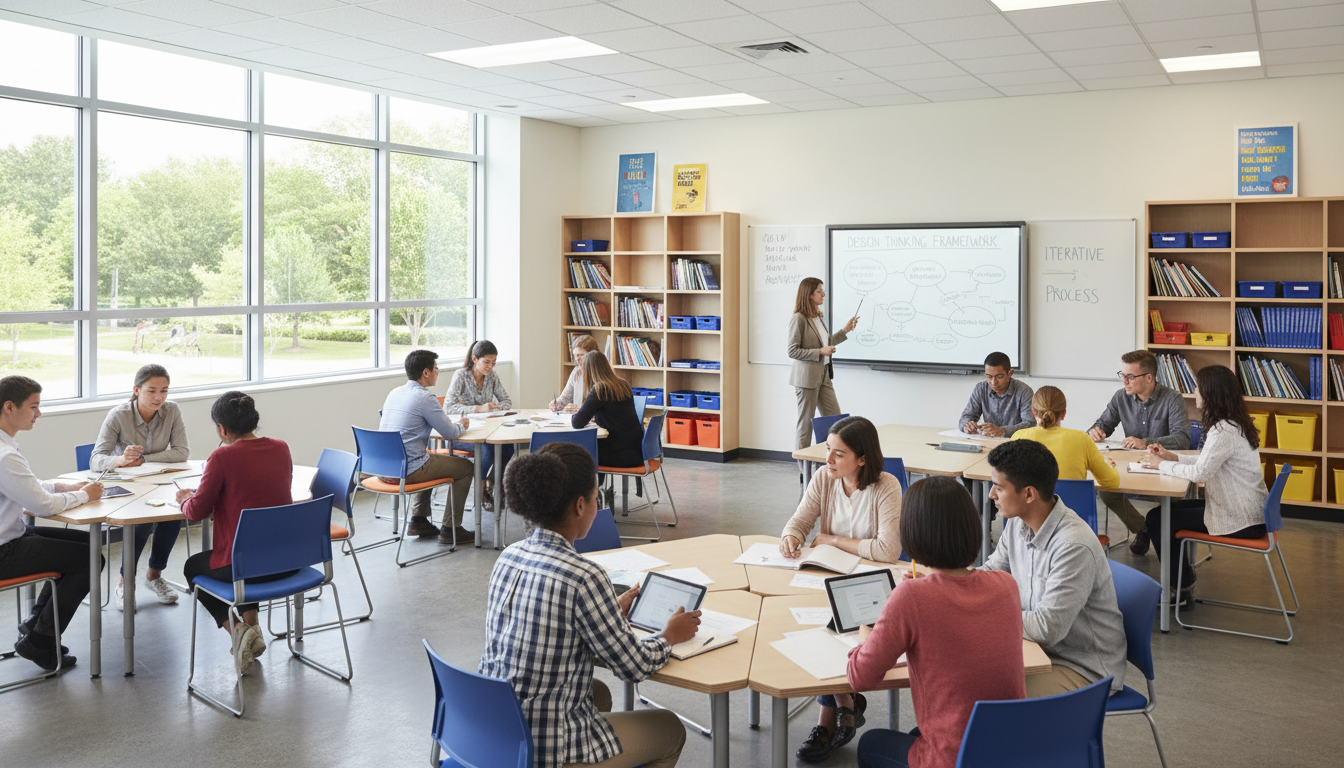
Tailored education, also known as personalized learning, recognizes that each student has distinct strengths and challenges. It aims to customize the learning experience to suit individual needs, allowing students to engage with the material in a way that suits them best.
This approach can involve adapting teaching methods, curricula, and learning environments to better fit each learner. By doing so, it helps to foster a more inclusive and effective educational experience.

The Benefits of Personalized Learning
Increased Engagement
When students are taught in a way that resonates with them, they are more likely to be interested and engaged. Tailored education encourages active participation, which can lead to a deeper understanding of the subject matter.
Improved Academic Performance
Personalized learning enables students to work at their own pace, ensuring they fully grasp concepts before moving on. This method not only enhances comprehension but also improves overall academic performance.

Fostering Critical Thinking and Creativity
By catering to individual learning styles, tailored education encourages students to think critically and creatively. It allows them to explore subjects in depth, ask questions, and develop problem-solving skills that are crucial for success in today’s world.
Furthermore, personalized learning environments often promote collaboration and communication, helping students build essential social skills.
Implementing Tailored Education
To effectively implement tailored education, schools and educators need to embrace flexibility and innovation. This can be achieved through:
- Utilizing technology to provide adaptive learning tools
- Offering diverse learning materials and resources
- Encouraging student feedback and participation in the learning process
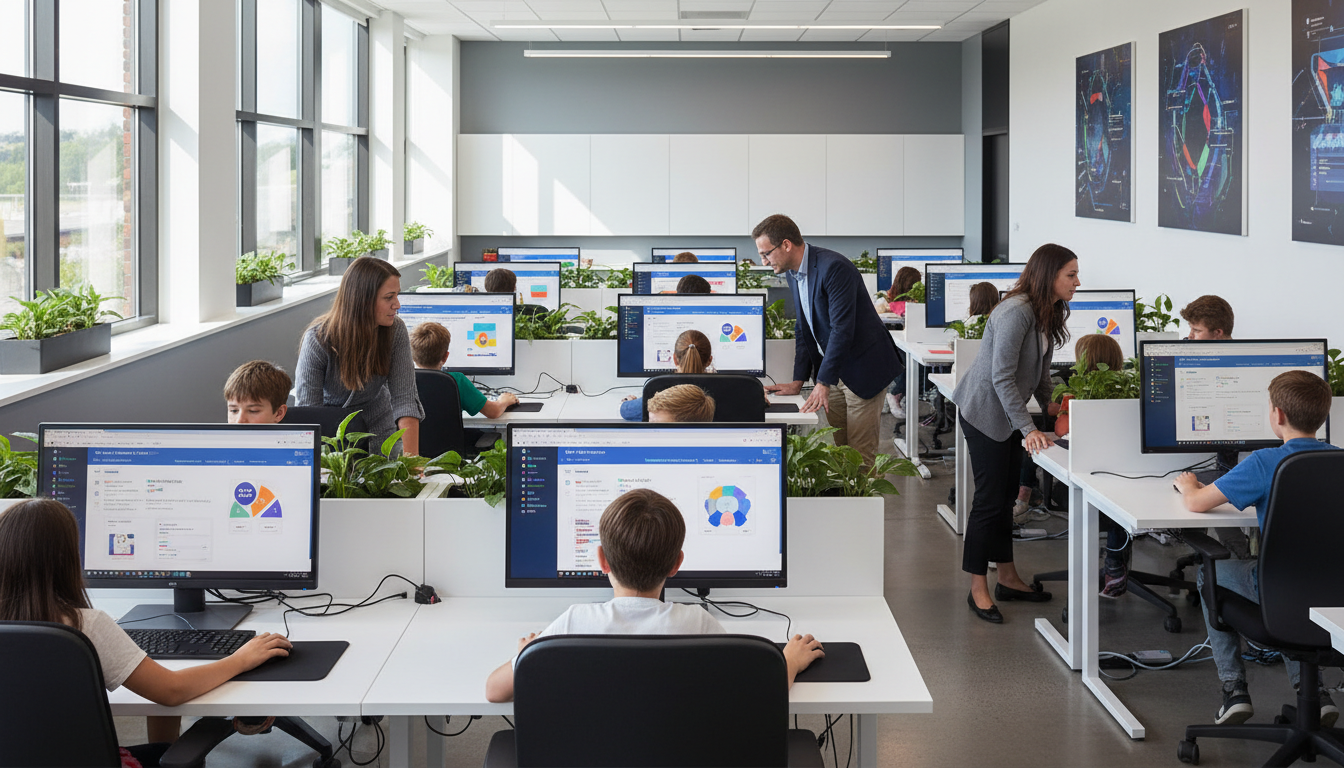
Ultimately, the shift towards tailored education requires a commitment to understanding and valuing each student’s unique abilities and potential. By doing so, we can create an educational system that truly supports and nurtures every learner’s growth.