
The Future of Virtual Classrooms in UK Education: A Comprehensive Guide
The landscape of education in the UK is undergoing a significant transformation, largely driven by the rapid advancements in technology. Virtual classrooms are at the forefront of this change, offering new opportunities for both educators and students. As we look to the future, it's essential to understand how these virtual environments are reshaping education.
One of the most compelling advantages of virtual classrooms is their ability to provide flexible learning opportunities. Students can access course materials and participate in classes from anywhere, at any time. This flexibility is particularly beneficial for students who have other commitments, such as part-time jobs or family responsibilities.
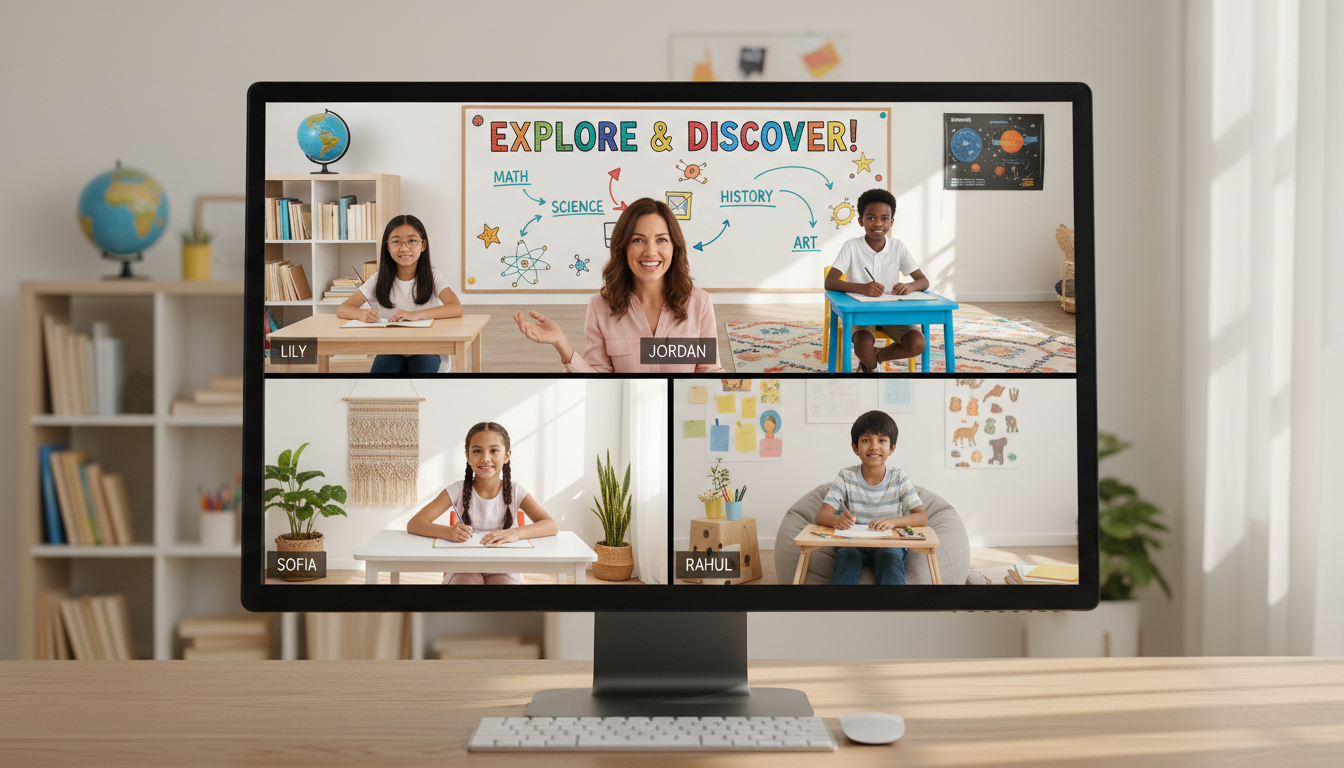
The Benefits of Virtual Classrooms
Virtual classrooms offer several benefits that traditional classrooms cannot match. For instance, they provide a more personalized learning experience. Teachers can tailor their lessons to meet the individual needs of each student, offering additional resources and support as needed.
Additionally, virtual classrooms promote increased engagement. With interactive tools such as quizzes, polls, and discussion boards, students are more likely to participate actively in their learning. This engagement can lead to better retention of information and improved academic performance.

Technological Advances Shaping Virtual Classrooms
The continued development of technology plays a crucial role in the evolution of virtual classrooms. High-speed internet, cloud computing, and advanced software platforms enable seamless communication and collaboration between students and teachers.
Moreover, the integration of artificial intelligence and machine learning is enhancing the educational experience. These technologies can analyze student performance data to provide personalized feedback and adjust the learning path accordingly.

Challenges and Considerations
Despite the many benefits, there are challenges associated with virtual classrooms. One significant concern is the digital divide. Not all students have equal access to the necessary technology or high-speed internet, which can hinder their ability to participate fully in virtual learning.
Another challenge is ensuring that teachers are adequately trained to use virtual classroom technologies. Professional development programs are essential to equip educators with the skills they need to effectively manage and deliver online instruction.
The Future of Virtual Classrooms in the UK
Looking ahead, the future of virtual classrooms in UK education appears promising. As technology continues to evolve, we can expect even more innovative solutions that will enhance the learning experience. Schools and universities are increasingly adopting hybrid models that combine online and face-to-face instruction, providing the best of both worlds.
Ultimately, the success of virtual classrooms will depend on the continued investment in technology and teacher training. By addressing the current challenges and embracing new opportunities, the UK education system can ensure that virtual classrooms become a valuable and effective component of learning.