
The Future of Virtual Learning: Trends and Innovations
The Rise of Virtual Learning
In recent years, virtual learning has transformed the educational landscape, offering unprecedented access to resources and flexibility. With the advent of new technologies, students from all over the world can connect with educators and peers, breaking geographical barriers. As we look to the future, the potential for virtual learning continues to expand.
Educational institutions are increasingly integrating virtual platforms into their curricula, ensuring that learning is not confined to the traditional classroom. This shift is not only enhancing the learning experience but also preparing students for a digital future.
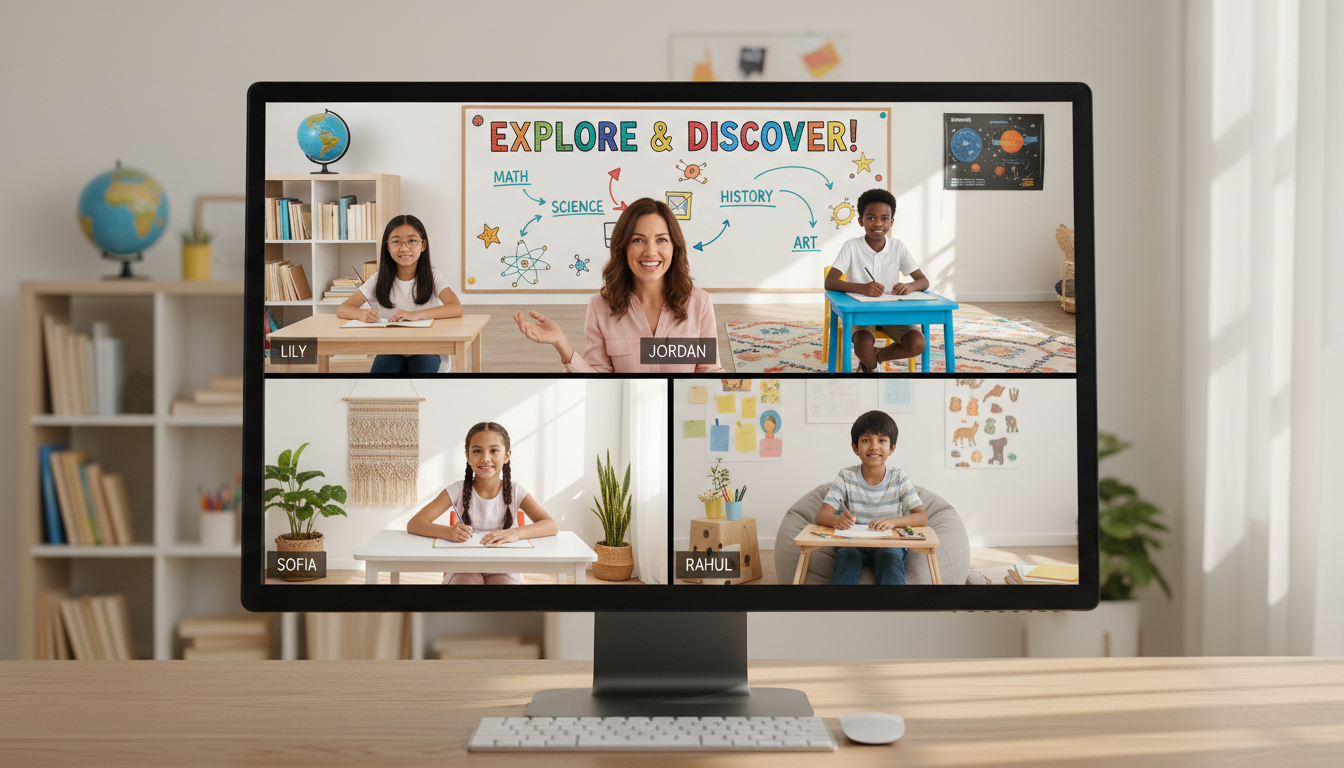
Trends Shaping Virtual Learning
Personalized Learning Experiences
One of the most exciting trends is the move towards personalized learning experiences. With the help of artificial intelligence, educational platforms can tailor content to meet the unique needs of each student. This customization ensures that learners can progress at their own pace, focusing on areas where they need the most support.
Moreover, personalized learning helps in building engagement by catering to individual interests and learning styles. As technology advances, we can expect even more sophisticated algorithms that will enhance this personalization process.

Immersive Technologies
Immersive technologies, such as virtual reality (VR) and augmented reality (AR), are reshaping educational experiences. These technologies offer interactive and engaging ways to learn complex subjects, making abstract concepts tangible. For instance, students can explore historical sites or delve into scientific phenomena without leaving their homes.
The use of VR and AR is set to grow, offering dynamic and experiential learning opportunities that were previously unimaginable. As hardware becomes more accessible, the integration of these technologies in virtual learning will likely increase.

Innovations Driving the Future
Gamification
Gamification is another innovative approach gaining traction in virtual learning. By incorporating game-like elements into educational content, students are motivated to engage more deeply with the material. Points, badges, and leaderboards create a competitive yet fun learning environment.
This method not only enhances motivation but also helps in retaining information. As educational platforms continue to explore gamification, learners can expect more interactive and enjoyable lessons.
Collaboration Tools
Collaboration tools are becoming essential in virtual learning environments. Platforms that facilitate group work and communication are crucial for fostering a sense of community and collaboration among students. Tools like video conferencing, shared documents, and discussion forums play a vital role in this aspect.
These tools are continually evolving, offering more seamless and integrated experiences. The future will likely see even more innovative solutions that bridge the gap between remote learners.

The Road Ahead
The future of virtual learning is bright, with numerous innovations on the horizon. As technology continues to evolve, educators and learners alike will benefit from more effective, engaging, and accessible ways to learn. The ongoing development of digital learning environments promises to make education more inclusive and diverse than ever before.
By embracing these trends and innovations, we can ensure that virtual learning not only meets the demands of today's world but also paves the way for future educational advancements.